Petrol (motor spirit) has been an essential part of daily life and economic activity in Pakistan since the country’s independence in 1947. Back then, fuel was cheap, vehicles were rare, and the economy was very different. Over decades, petrol prices have gradually risen due to inflation, global oil market changes, taxes, and currency shifts.

This article explains how much petrol cost in 1947, why prices increased over time, how they changed through the decades, and what petrol costs around early 2026.
Pakistan in 1947 – Petrol Was Very Cheap
When Pakistan became independent in August 1947, petrol was very inexpensive. This was because:

- The economy was mostly agricultural.
- Few people owned cars or used fuel.
- Fuel demand was low and global oil markets were stable.
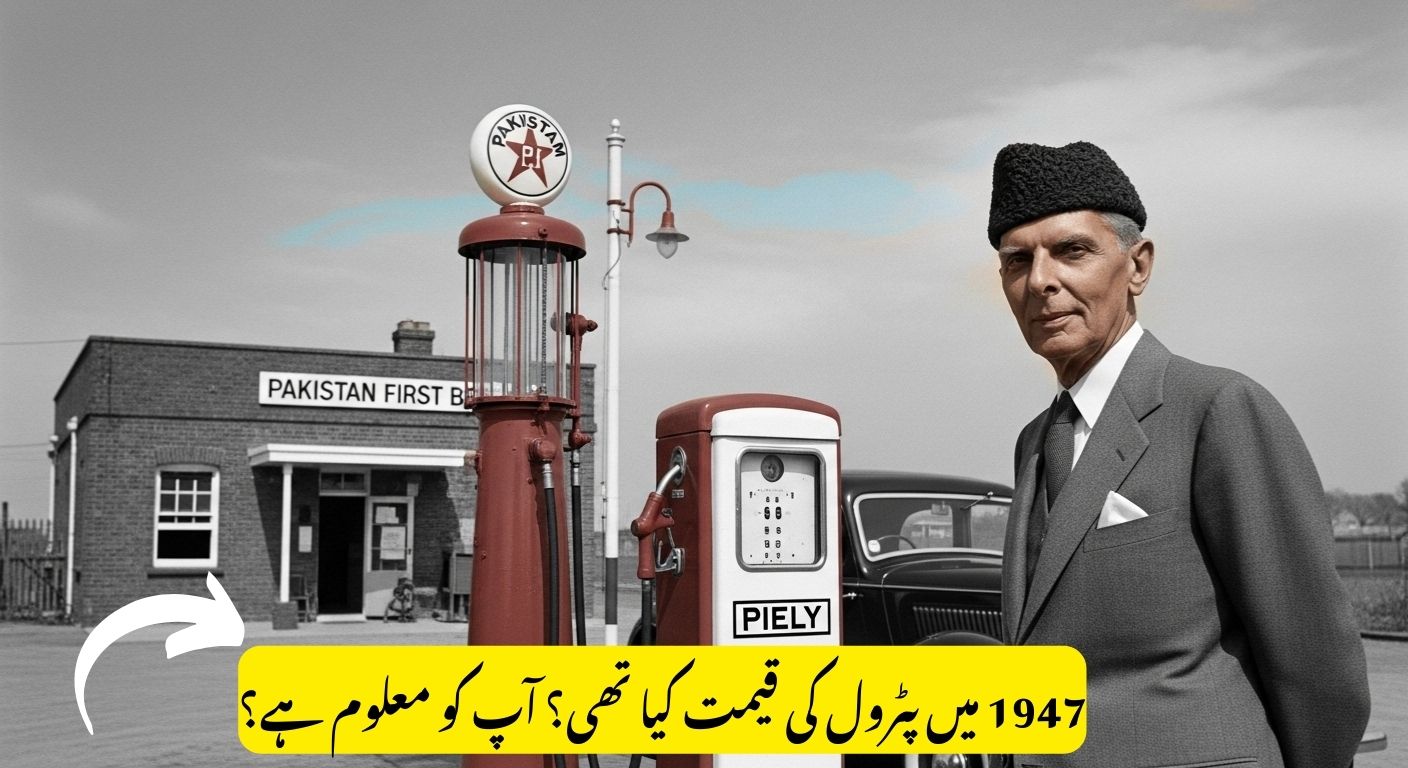
At that time, petrol in Pakistan cost only about Rs. 0.23 per litre, a tiny amount compared to today’s prices.
Early Years – 1947 to 1970
In the first decades after independence, petrol prices increased slowly:
| Year | Petrol Price (Approx per Litre) |
|---|---|
| 1947 | Rs. 0.23 |
| 1950 | Rs. 0.25 |
| 1960 | Rs. 0.36 |
| 1965 | Rs. 0.40 |
| 1970 | Rs. 0.48 |
During these years, prices rose gradually as the economy developed, demand for vehicles increased slightly, and basic taxes were introduced.
1970s to 1990s – Growth, Oil Crises & Rising Prices
In the next decades, petrol prices began climbing faster due to global oil crises, inflation, and rising demand:

| Year | Petrol Price (PKR per Litre) |
|---|---|
| 1975 | Rs. 1.20 |
| 1980 | Rs. 2.50 |
| 1985 | Rs. 3.00 |
| 1990 | Rs. 6.00 |
| 1995 | Rs. 11.00 |
Economic growth, higher living standards, and rising vehicle ownership pushed petrol demand upward — and global oil shocks in the 1970s and 1980s made fuel more expensive.
2000s – Rapid Price Increases Begin
The new millennium marked a sharper rise in petrol costs in Pakistan:
| Year | Petrol Price (PKR per Litre) |
|---|---|
| 2000 | Rs. ~30.00 |
| 2005 | Rs. ~55.00 |
| 2007 | Rs. ~60.00 |
| 2010 | Rs. ~73.00 |
| 2012 | Rs. ~108.00 |
| 2013 | Rs. ~110.00 |
These increases reflected higher global crude oil prices, stronger demand, and heavier taxation policies. Pakistan imports most of its fuel, so international oil rates directly impact domestic prices.
2010s – Fluctuations and First Crossing of 100+ Rupees
During the 2010s, petrol prices fluctuated but generally stayed high:

| Year | Petrol Price (PKR per Litre) |
|---|---|
| 2014 | Rs. ~94.50 |
| 2015 | Rs. ~80.00 |
| 2018 | Rs. ~80.70 |
| 2019 | Rs. ~90.00 |
Petrol prices were influenced by currency value, global oil supply, and taxation changes. Even small variations in international oil markets or exchange rates could make fuel more expensive for consumers.
2020s – Major Hikes, Global Pressures & Recent Rates
In the 2020s, petrol prices in Pakistan reached record highs due to global uncertainties, inflation, and tax adjustments:
| Year | Petrol Price (PKR per Litre) |
|---|---|
| 2020 | ~Rs. 100.00 |
| 2022 | ~Rs. 200.00 |
| 2023 | ~Rs. 331.38 (highest ever) |
| 2024 | ~Rs. 249.10 |
| 2025 | ~Rs. 255.86 |
In 2023, for the first time in Pakistan’s history, petrol prices went over Rs. 300 per litre, due to global oil price surges and a weak rupee.
This also meant a major burden on families and businesses, as fuel costs affect transportation, goods, and services across the economy.

As of late 2025, petrol prices remained high around Rs. 255 per litre, with frequent bi‑weekly adjustments by the Oil & Gas Regulatory Authority (OGRA) based on global market conditions.
Timeline Summary – Petrol Prices in Pakistan (1947–2025)
| Year | Approx. Petrol Price (PKR/Litre) |
|---|---|
| 1947 | 0.23 |
| 1950s | ~0.25–0.31 |
| 1960s | ~0.36–0.42 |
| 1970s | ~0.48–1.20 |
| 1980s | 2.50–3.00 |
| 1990s | 6.00–11.00 |
| 2000s | ~30.00–60.00 |
| 2010s | ~73.00–110.00 |
| 2020 | ~100.00 |
| 2022 | ~200.00 |
| 2023 | ~331.38 |
| 2024 | ~249.10 |
| 2025 | ~255.86 |
This table shows how fuel prices, once a few paisas per litre, grew to hundreds of rupees per litre over nearly eight decades, illustrating inflation and economic transformations.
Why Petrol Prices Increased So Much
Several major reasons explain the long‑term rise in petrol prices:
1. Global Oil Markets
Pakistan imports most of its fuel, so changes in global crude oil prices — due to geopolitical tensions, OPEC policies, wars, and supply changes — directly affect local prices.
2. Inflation and Currency Devaluation
As the Pakistani rupee weakened against major currencies like the US dollar over the years, imported fuel became more expensive. This pushed domestic petrol prices upward.
3. Government Taxes and Levies
Petrol prices include various taxes, duties, and levies collected by the government. These charges grew over time and added significantly to the final price paid by consumers.

4. Increased Demand
More vehicles, urbanization, and economic activity increased fuel demand, leading energy companies and regulators to adjust prices to manage supply and revenue needs.
How Petrol Price Changes Affected Daily Life
The rise in fuel costs impacted many aspects of life in Pakistan:
- Transport Costs: Higher petrol meant bus, taxi, and personal vehicle costs increased.
- Goods and Services: Transporting goods became more expensive, pushing up prices of food and everyday items.
- Inflation: Fuel price hikes often contributed to overall inflation in the economy.
- Budget Planning: Families had to spend more on fuel, reducing money available for other needs.
Petrol Price in 2026 (Latest Trends)
While official 2026 prices may still be adjusted periodically, petrol prices continued to hover around high levels similar to 2025, reflecting ongoing global fuel market pressure and domestic economic conditions.
As of the most recent data for late 2025, petrol was priced around Rs. 255 per litre, a level that significantly changed how people budget for travel and transport in Pakistan.
Conclusion
Petrol in Pakistan has undergone a dramatic transformation since 1947:
- Rs. 0.23 per litre in 1947 when the country was newly independent.
- Rs. ~255+ per litre in the mid‑2020s.
This more than 1,000‑fold increase reflects inflation, global oil markets, currency changes, government taxes, and rising demand. Tracking petrol prices over time offers a clear picture of how Pakistan’s economy and daily life have evolved.
Understanding this history helps people see why fuel costs are high today and how they influence everything from car‑travel budgets to the price of basic goods on the market.